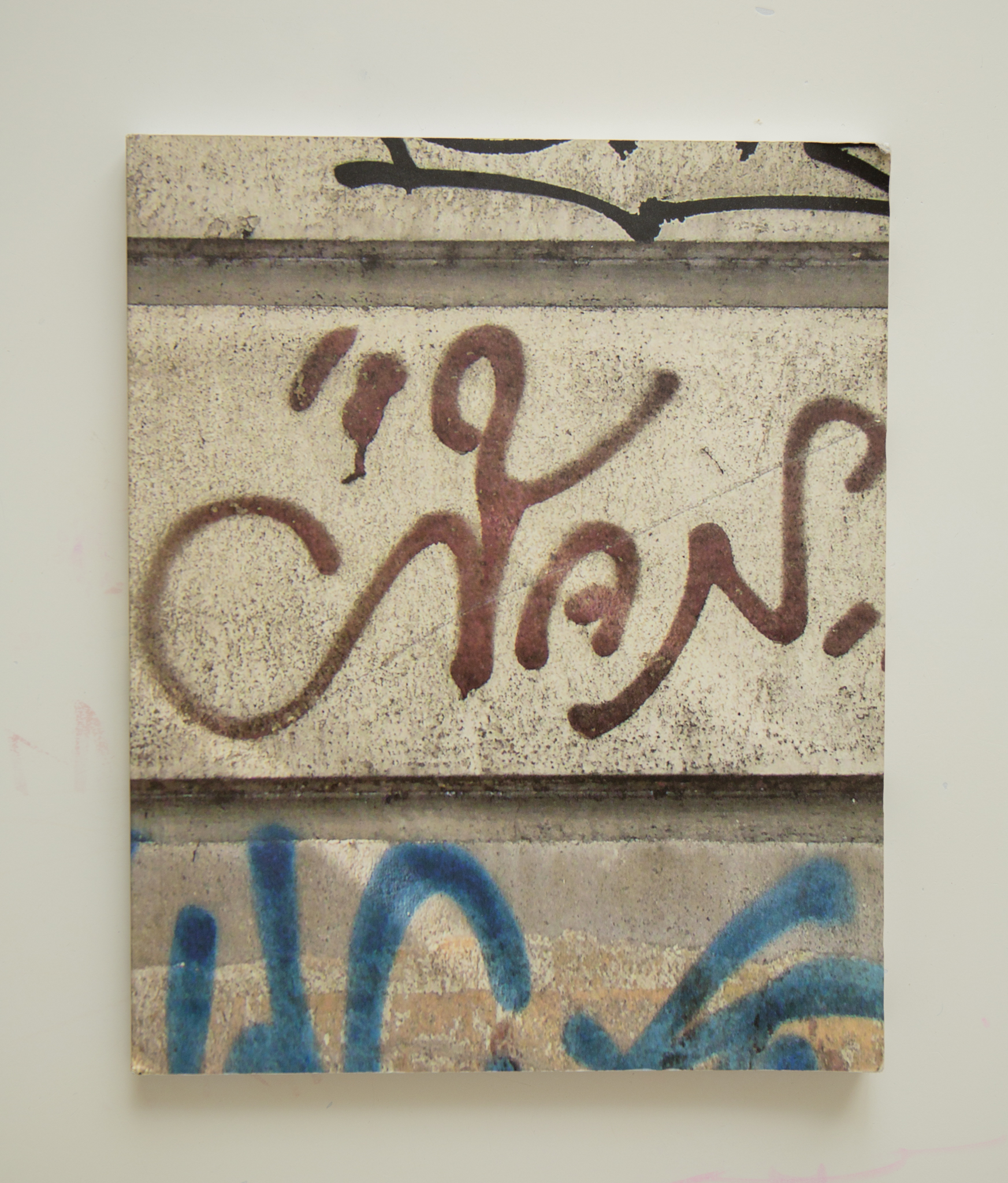
I recently got sent an unusual book from Brazil titled XARPI which focuses on the unique tagging culture of Rio de Janeiro. The book’s author, João Marcelo, has produced a brilliant typology of xarpi, the variant of pixação found in his native city. Marcelo is a graphic designer, graduated in Industrial Design in 1998 at the Faculdade da Cidade, who has spent the last eight years dedicated to documenting every corner of Rio where xarpi could be found. As this style of graff is little known on this side of the globe I decided to ask him a bit more about how his project developed, what exactly xarpi is, and how the book came about: Continue reading
Is 52 weeks enough? Unsettling archaeology with graffiti recording
By Dr Alex Hale
‘The archaeologist’s job is not to discover officially (and tell) the stories of the past. Rather, the goal of archaeology is to open people’s minds and disrupt received perceptions of society, politics, places, peoples and material culture.’
Doug Bailey 2017.
Introduction
In 2015 an urban wall was photographed every week for 52 weeks. This act of recording aimed to capture the changing temporal nature of a city location and disrupt traditional archaeological timeframes. Graffiti sprayed on the wall came and went and appeared to lead to a destructive act of gentrification, driven in part by the ‘broken window’ theory. The unacknowledged driver of this cataclysmic event was not the graffiti but was in fact the urban waste disposal system, which left wheelie bins over flowing with rubbish adjacent to the wall. Through disrupted archaeological practice, this contribution explores creative urban spaces and hegemonic gentrification agendas. The project considers how the archaeological imagination (Gamble 2008, Shanks 2012) can be turned to unheard voices from across the graffiti world to ‘excavate’ urban change. It uses techniques such as repeat photography to unsettle traditional archaeological tropes of recording, in order to engage and consider the temporality of graffiti. By going beyond traditional archaeological methods it tests approaches that engage with unsettling material culture (modern graffiti) and sustains the need for disrupted approaches within the archaeologies of the contemporary past.
Continue reading…uvwxyz
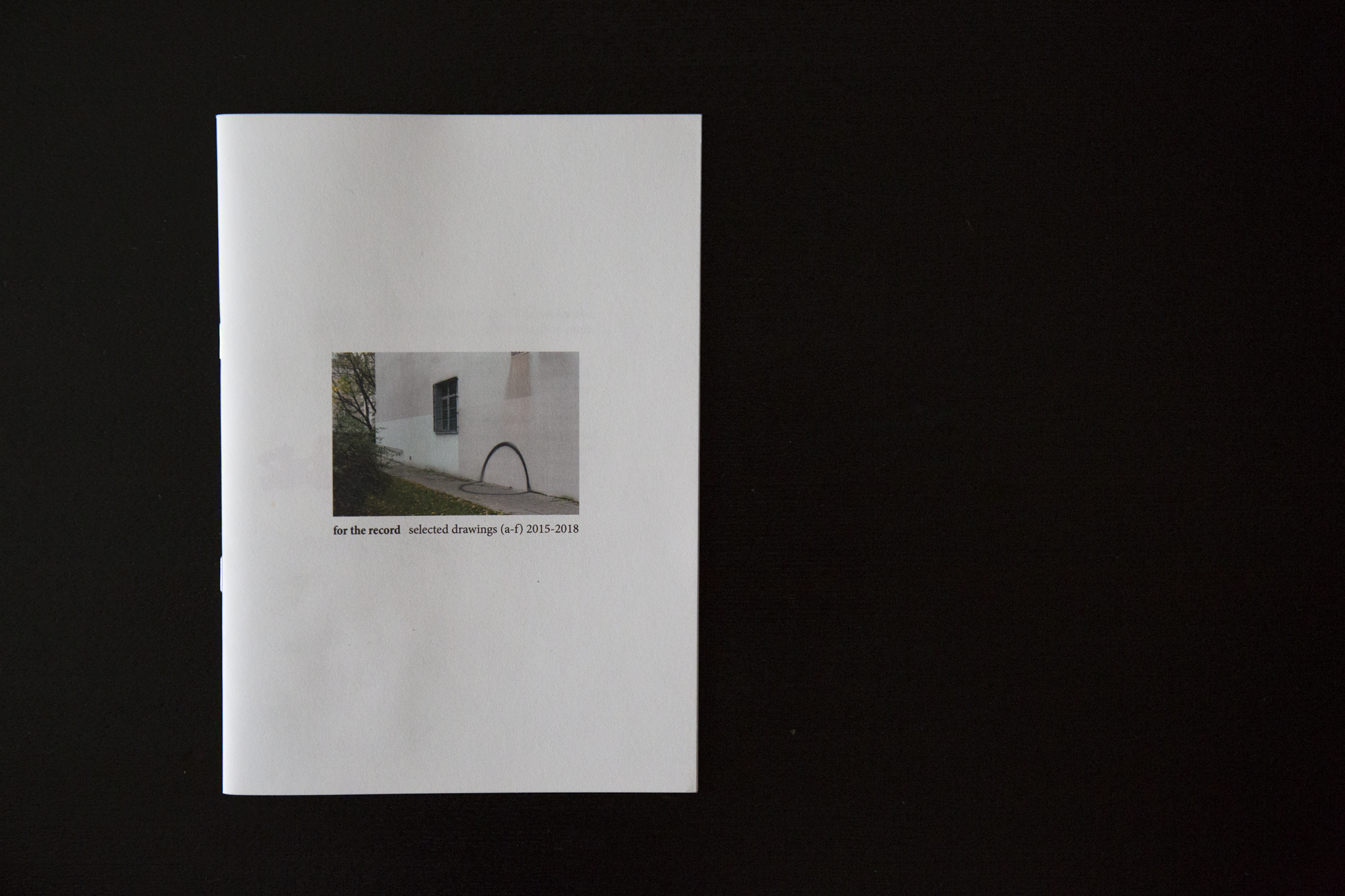
for the record is definitely one of the more unusual publications I’ve come across. The zine documents, what I suppose could be called, ‘conceptual graffiti’. Rather than just observing the urban environment the artist abcdef acts as a kind of militant-flâneur whose photographs make a record of unconventional, often low-key, spray paint interventions. Continue reading
A Study of Dublin Latrinalia
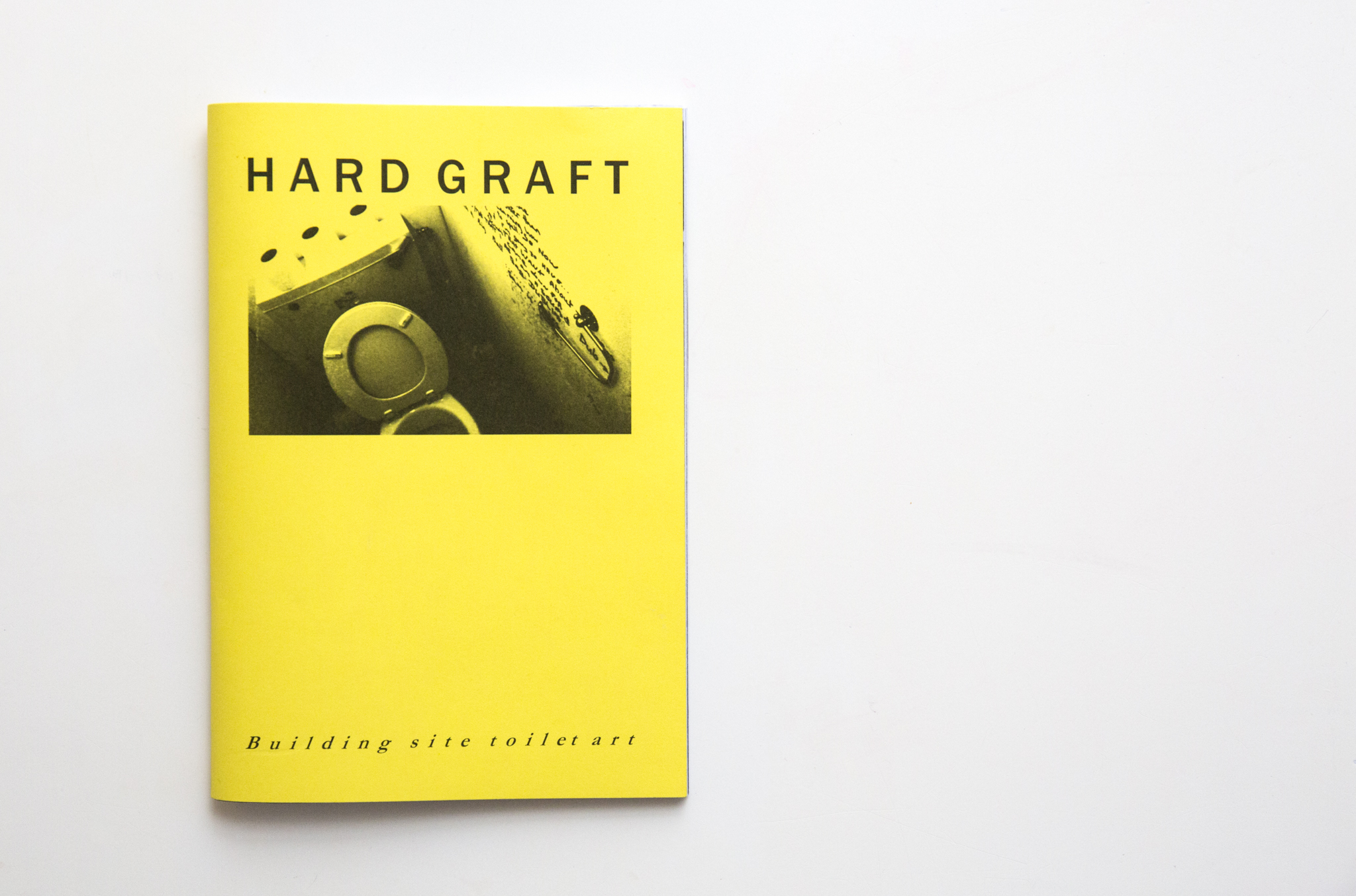
Scholarly books on graffiti are all the rage at the moment and a chapter on ‘latrinalia’ is almost obligatory. It seems that the study of latrinalia came about as a way for bored academics to fill their time with a quirky project. Simply nip into the university’s lavatory and, hey presto!, there’s the material for a slightly amusing thesis with some bold statements about the state of society. Continue reading
99/40
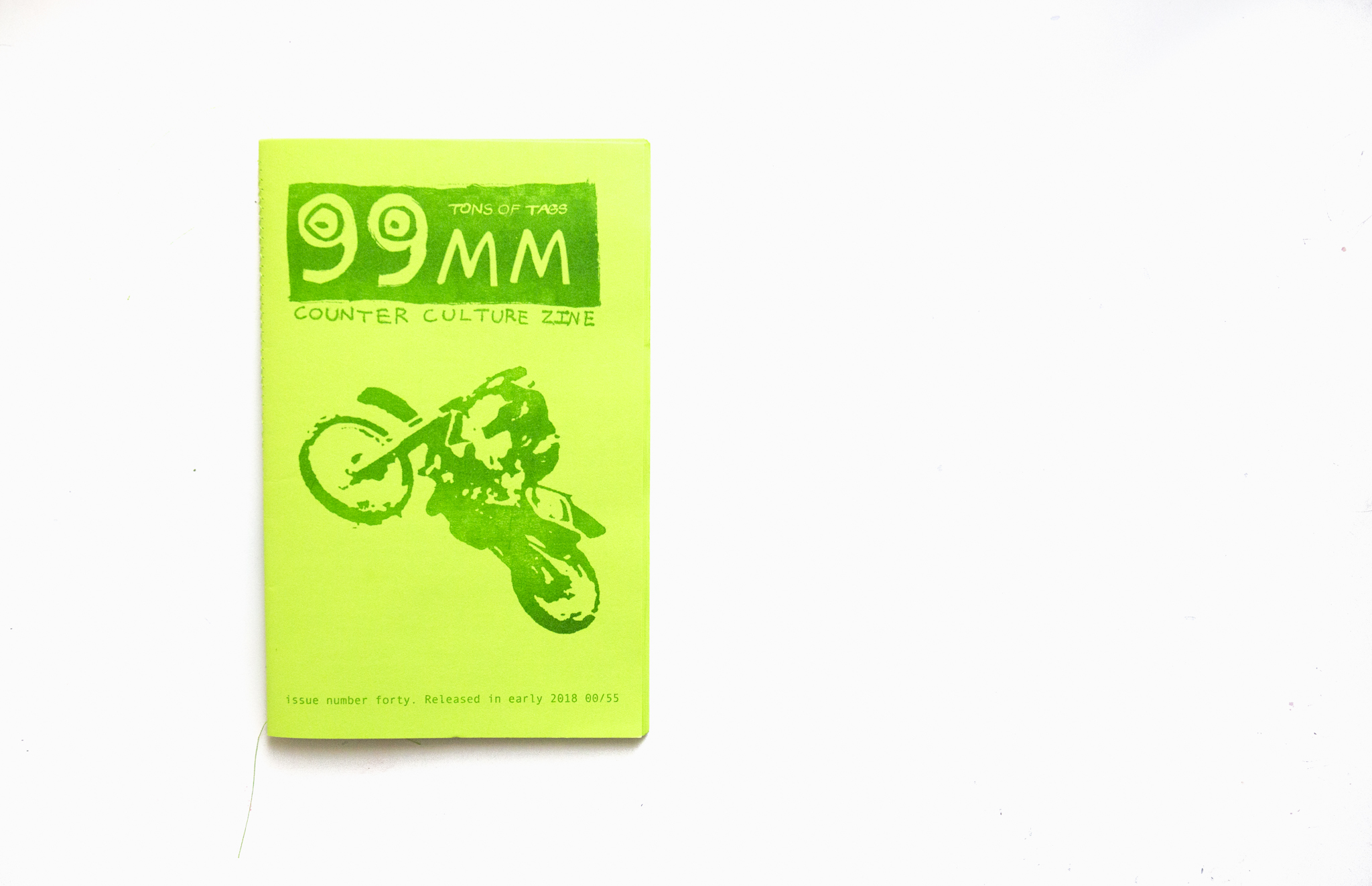
The last time I reviewed the 99mm zine I was surprised to find that the publication had been in production for twenty years! So it’s good to know that it’s still going strong as Ian Vanek has recently released, what he believes to be, the best 99mm yet! This time the zine’s contents aren’t published in the standard zine scheme of black & white but a cool jazzy green with a stitched spine. Apparently this is in commemoration of its 40th edition which harks back to the zine’s origins as a blue DIY magazine. Continue reading
Le Langage Du Mer ?

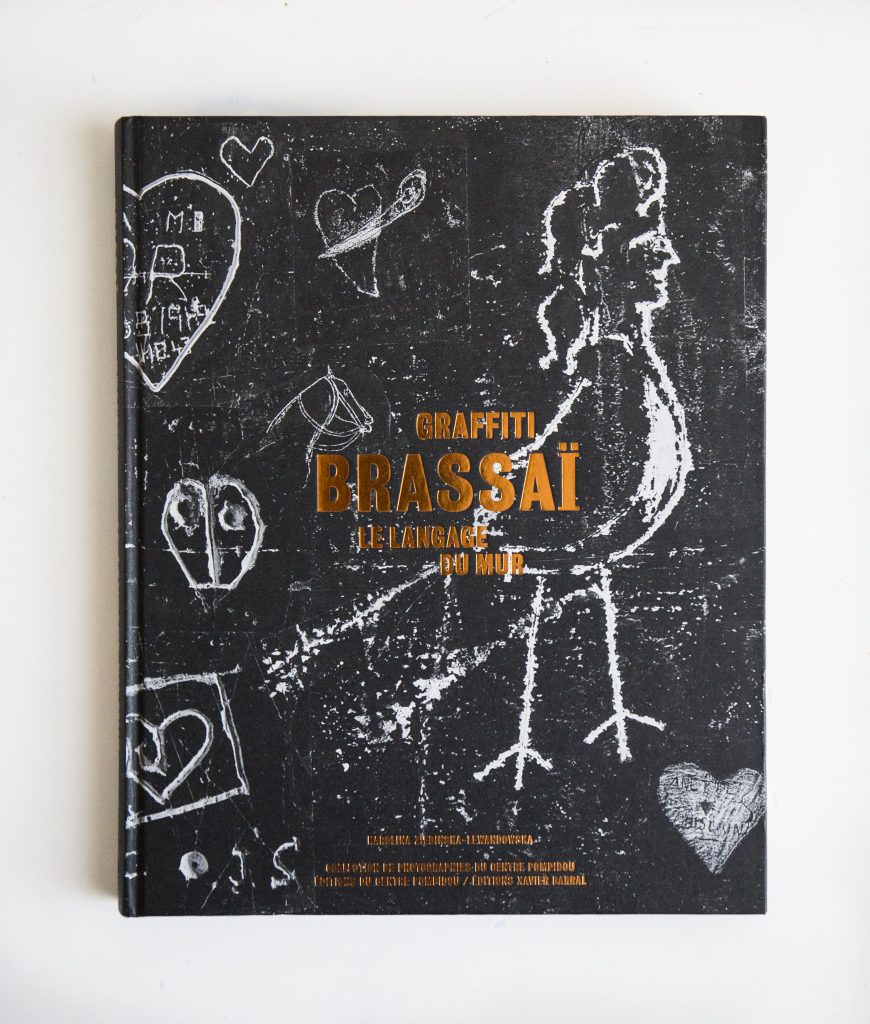
As an Englishman my ability to speak any language except my own is severely limited. So when I first picked up Graffiti Brassaï: Le Langage Du Mur I was a bit puzzled how graffiti could be the language of the sea? I quickly realised my mistake! In fact this is the first serious art-historical study of Brassaï’s Graffiti photography series. Researched by the curator Karolina Ziebinska-Lewandowska the book sheds light on the artist Brassaï and graffiti as his subject.
Continue readingChanging the Urban Wallpaper

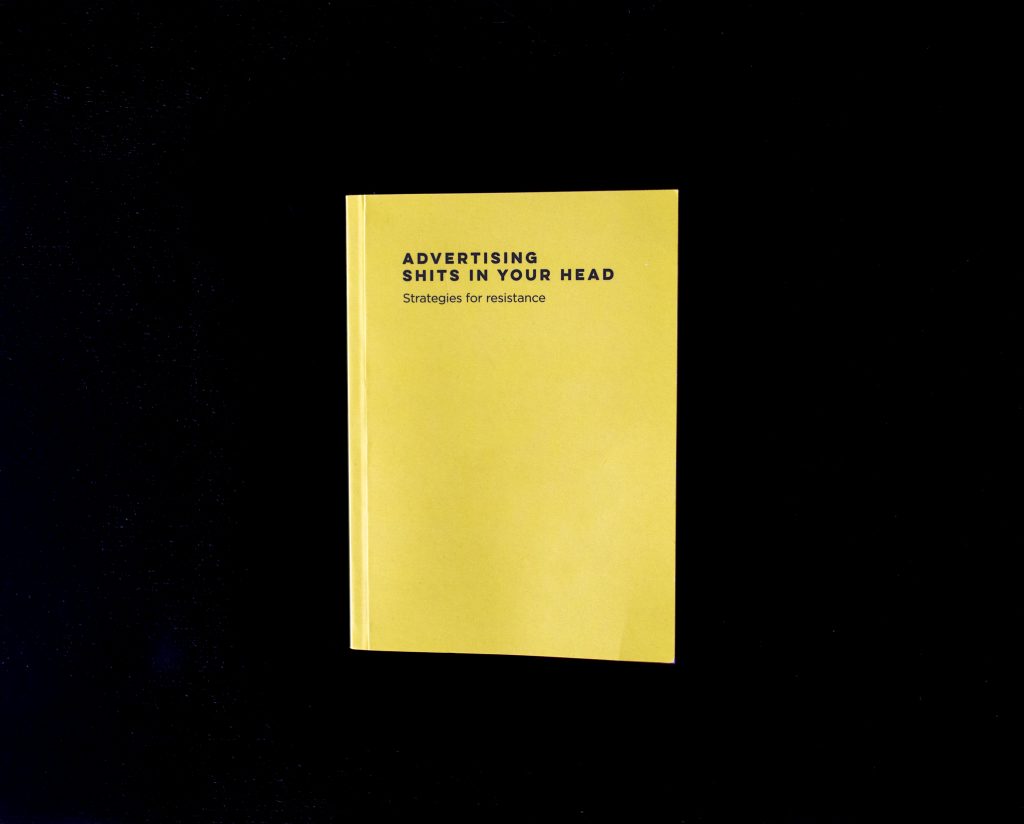
Advertising Shits in Your Head is a new handy pocket guide to modern advertising and, more importantly, how it can be subverted. Published by Dog Section Press just last year it has already run into a second edition. The book’s title was originally used in an article by a certain Bill Posters where he attacks advertisers who surreptitiously “shit in your head”. Expanding on this Advertising Shits in Your Head discusses why advertising should be regarded as such a problem and how it can be tackled effectively. The publishers tell me the book is “intended as a call to arms against the outdoor advertising industry particularly, and capitalism generally. It’s also an exploration of the origins of the modern day, international subvertising movement, and a guide to some of the theory and practice underpinning it.”
Continue readingAuri Sacra Fames Interview
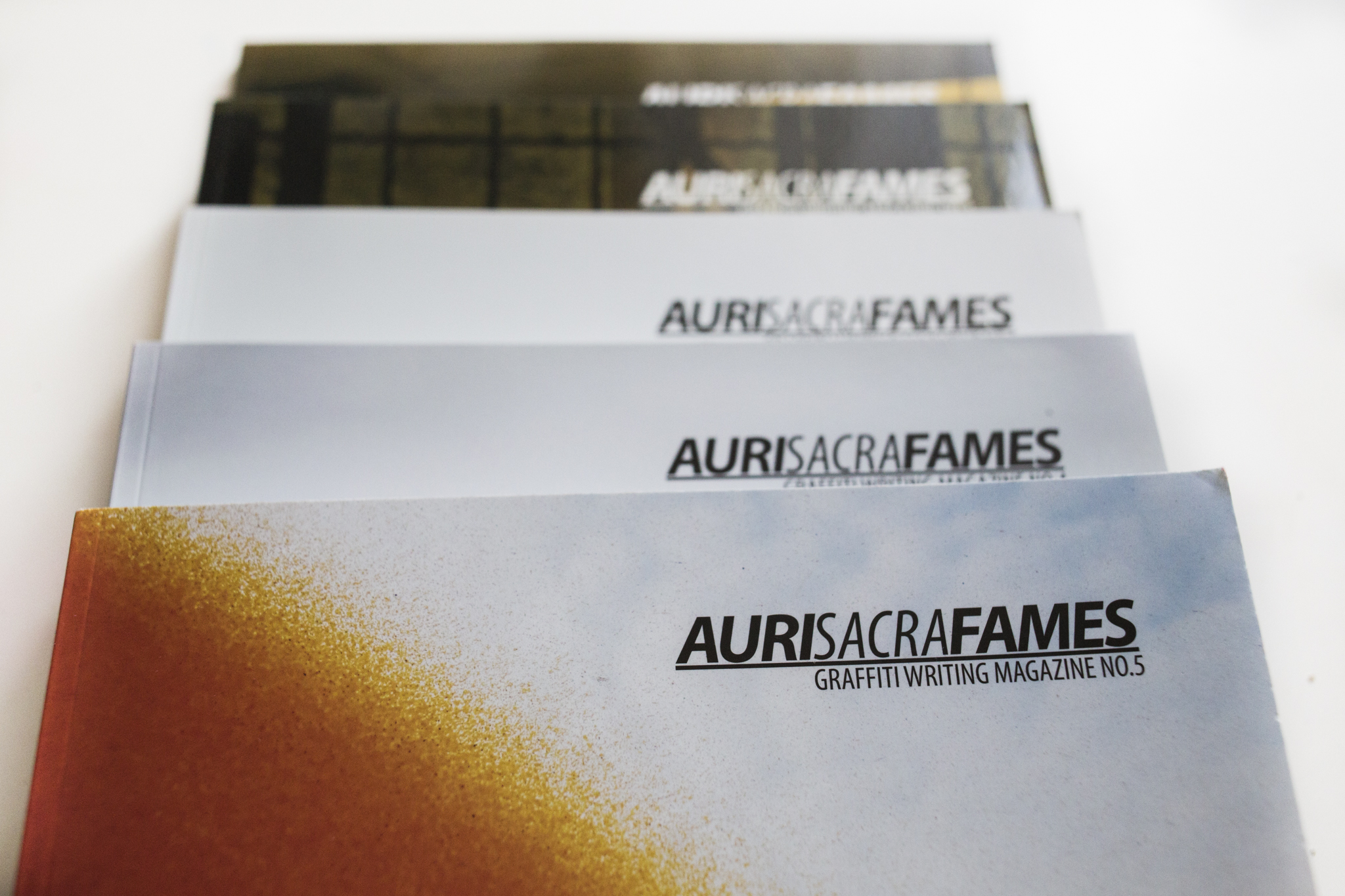
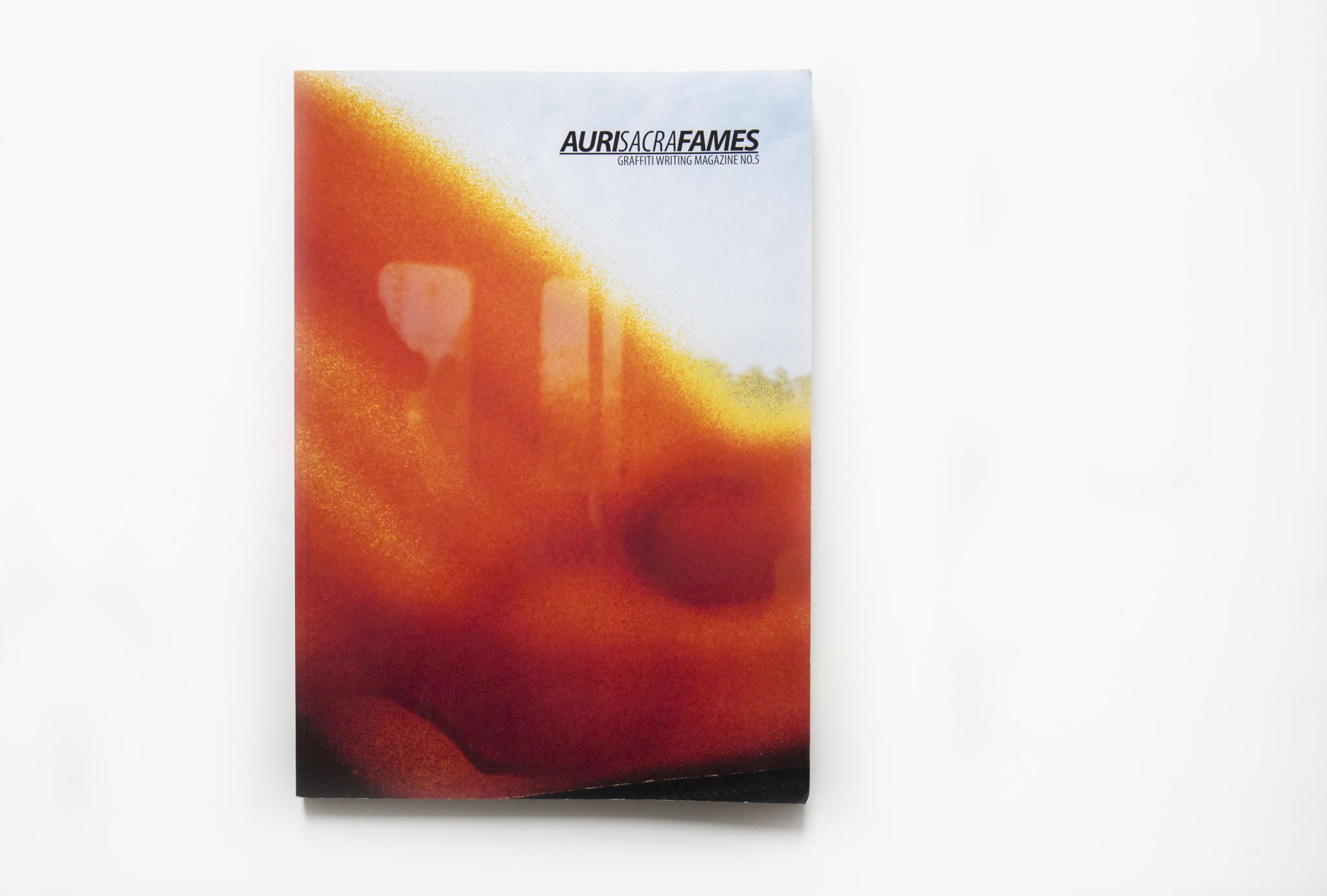
Last month Berlin’s Auri Sacra Fames mag celebrated its fifth anniversary! To mark the occasion we did an interview starting with how the magazine first began and the ethic behind it. Continue reading
Berlin Gold
At 232 pages the new Auri Sacra Fames is basically a book rather than a magazine. A range of seven different chapters, each with their own style and content, rolled into one publication. This fifth instalment is the ‘Legend’ issue. So alongside two sections of Berlin trains are features on five legendary Berlin crews and individuals. The introduction defines a graff legend as having achieved “a real long-term relevance” through a combination of quality and quantity. Interestingly this description is printed alongside the dictionary definition which labels a legend as a “narrative, which can not be proved or which is grotesquely exaggerated.” Continue reading
Same Old Shit at the Barbican?

Sometime in the late 2000’s I found myself sitting in a police interview room opposite a pair of excited coppers. After a few minutes of pointless questions they gleefully put their theory to me: “we believe you were intending to travel up to central London to vandalise the Tate Modern!” This accusation left me slightly flabbergasted: aside from being completely daft, all they’d found on me was a Tipp-Ex, I felt insulted. Fuck the Tate!
Continue reading